We can get there from here – it just takes co-operation
By David Coon
The old saying in downeast Maine that says, “You can’t get there from here,” nearly became reality for people needing to travel between northern and southern New Brunswick last month, unless they could drive.
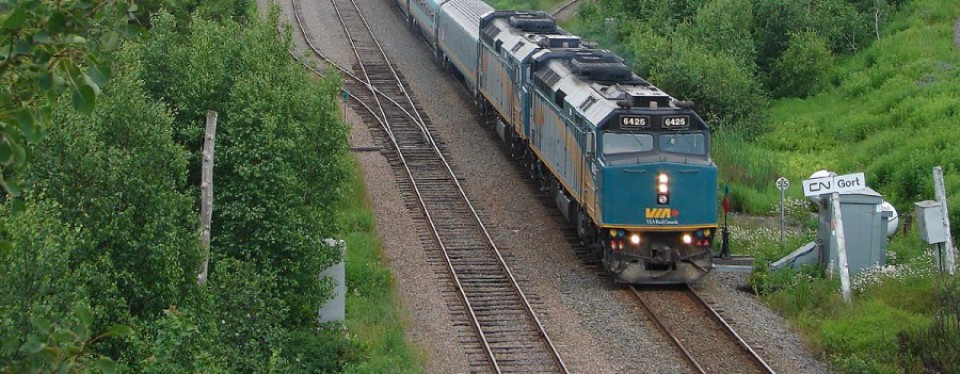
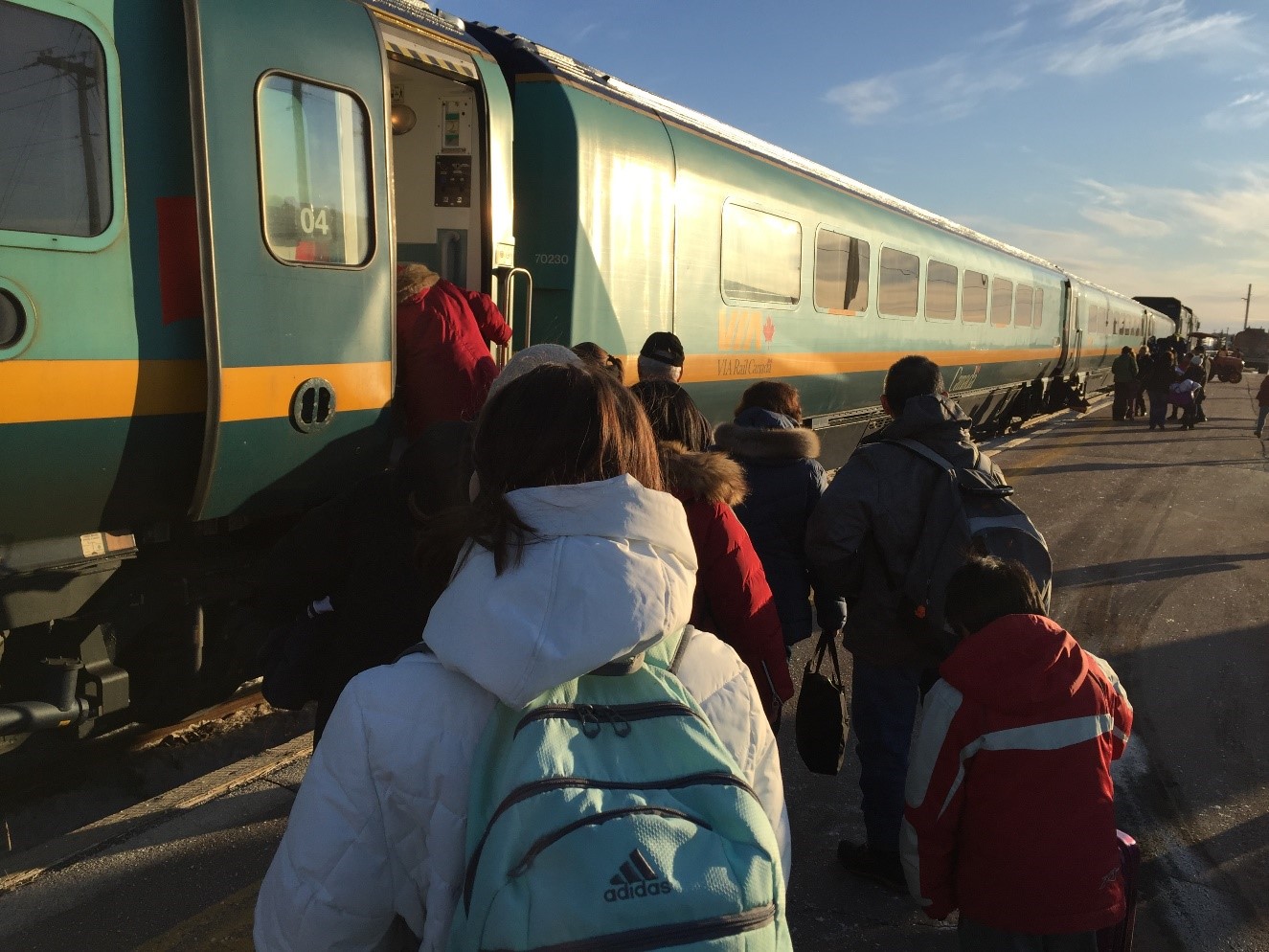
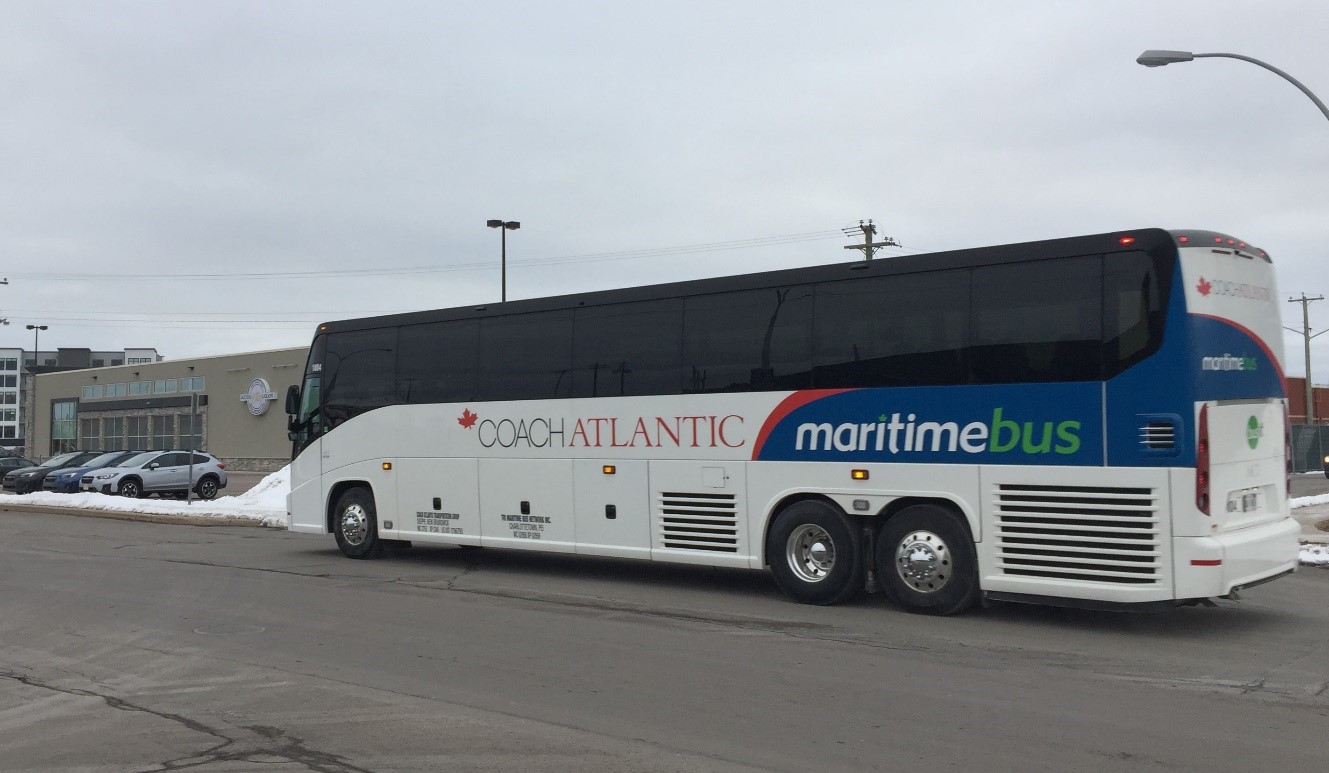
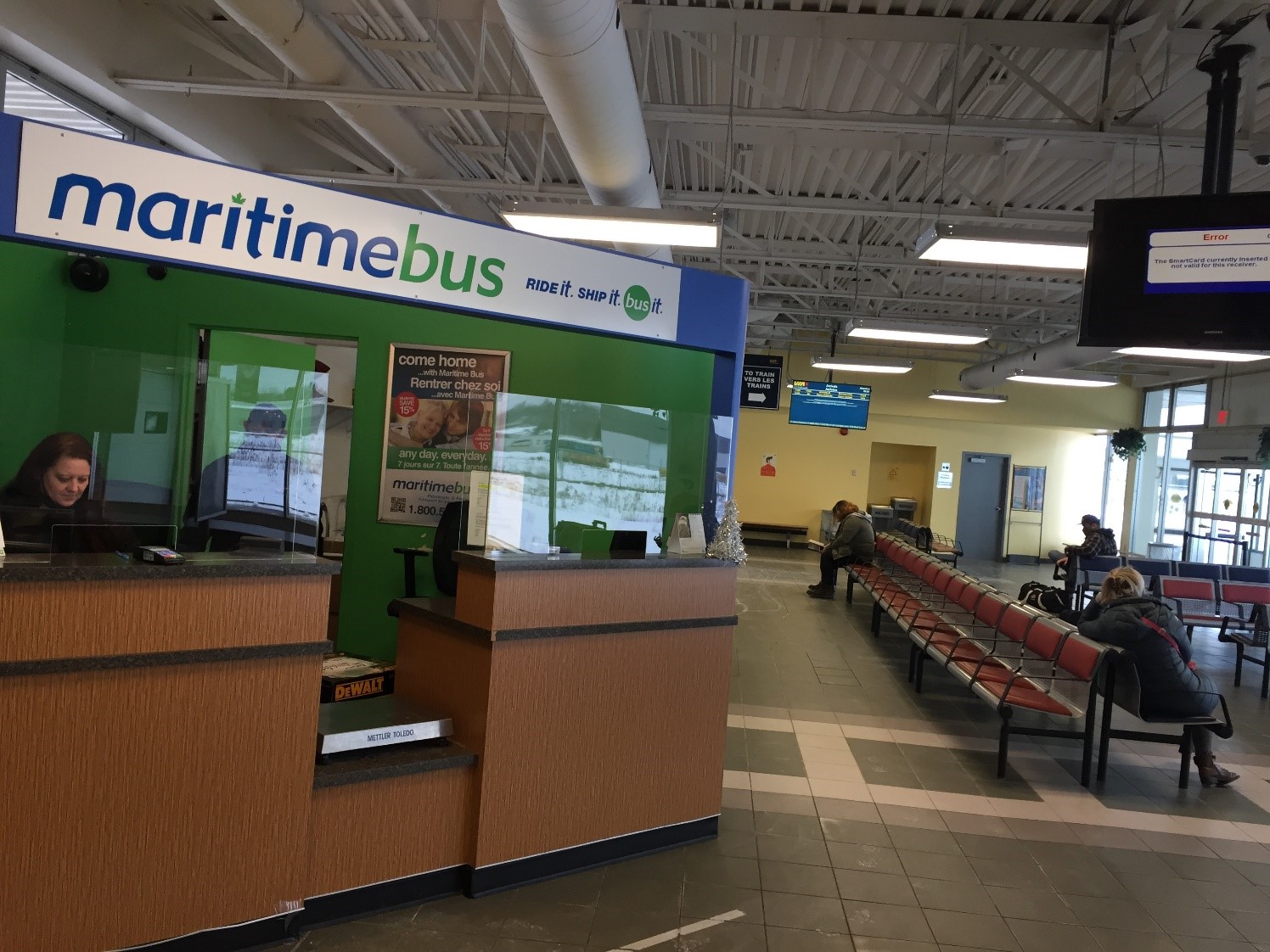
The federal Crown corporation that provided passenger rail service between Campbellton, Moncton and Halifax stopped its trains from venturing east of Quebec last year. Next, PEI-based Maritime Bus came close to taking its buses off the road as the pandemic ate into its ridership. An 11th hour decision by Premier Higgs to provide a $750,000 grant kept the bus links between Fredericton and Edmundston, Moncton and Campbellton, and Fredericton and Moncton, for now.
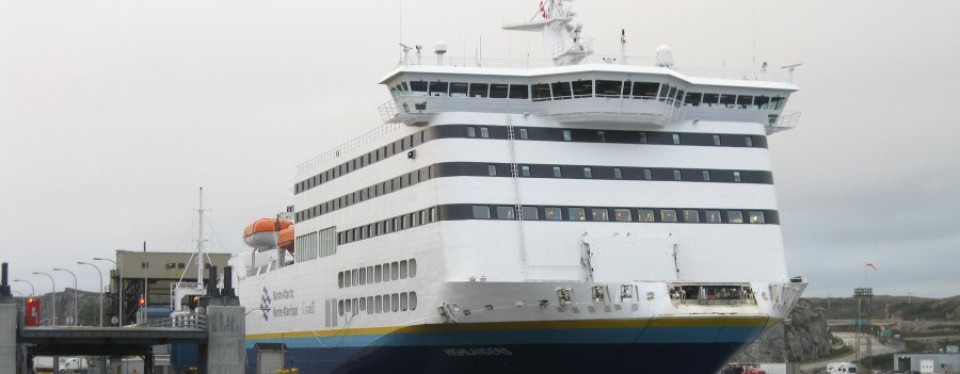
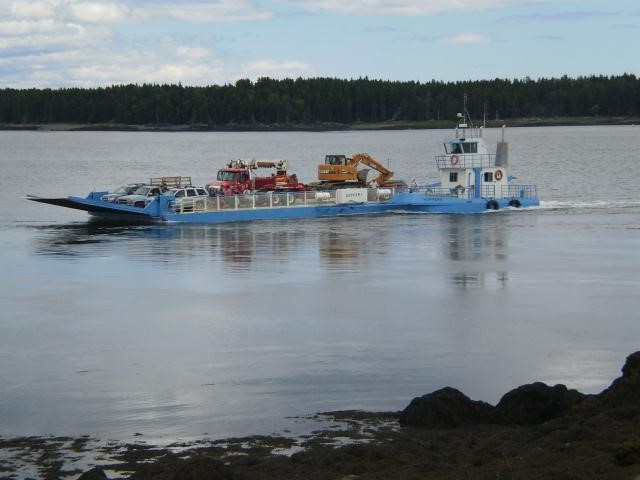
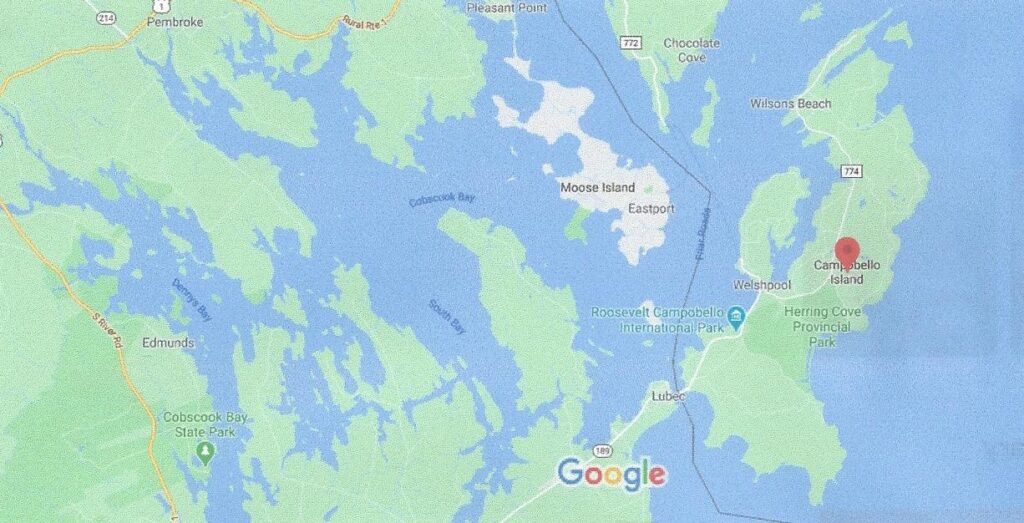
In the extreme southwest of the province, the Higgs government has been funding the tiny summer tourist ferry between Campobello Island and Deer Island to provide service through the winter. This enables Campobello residents to avoid the long trip through the hot zone that America has become, while providing a link to the island for mainlanders who can no longer cross into the U.S. Service is spotty since it was never designed for the wind and seas that winter brings.
How has our public transportation network become so fragmented and brittle? Like Grand Manan and Deer Island, Campobello was once linked by ferry to the mainland. Commuter trains linked Fredericton and Saint John. Daily rail service linked North with South. Bus service was available just about wherever you lived.
The need for public transportation services is growing with an aging population, the rising cost of vehicle ownership and insurance, increasing numbers of immigrants, the regionalization of public services, and the imperative of cutting transportation-related carbon pollution.
With public transportation services in disarray, it’s as if there is no one in charge – which there isn’t. In fact, the Department of Transportation and Infrastructure has no mandate to oversee the coordination of public transportation services. No civil servant has that turf. New Brunswick has only ever had a highway strategy. There has never been an integrated transportation strategy.
This partly explains why New Brunswick hasn’t touched a dime of the $120 million in federal funding for public transportation projects allocated to the province as part of the ten-year $673 million infrastructure agreement that was signed with Ottawa in 2018.
There was no one to provide advice on how the transportation funding might be tailored to meet New Brunswick’s needs. A ten-year public transportation strategy written for government, on the initiative of the Economic and Social Inclusion Corporation, could have provided guidance, but it was gathering dust on a shelf. The infrastructure agreement with Ottawa got inked with $120 million for public transportation restricted for use by city transit services alone.
The Premier wants us to become more self-sufficient, but if you can’t afford to own a vehicle or are unable to drive one, that self-sufficiency becomes an impossible goal. Just as deep cuts to our carbon footprint are impossible without shifting driving time to commuting time on a bus or train.
To achieve our social, economic and environmental goals we must become more self-sufficient in public transportation. How do we build a public transportation network that meets our needs, and what revenue will fund the necessary public investments?
This is a job for a public institution that crosses provincial borders. I propose the creation of a Maritime Transportation Authority, a regional Crown corporation, that can quarterback the development of a public transportation network that enables us to travel where we need to go, when we need to go, throughout the Maritimes.
I envision a seamless system of regional passenger rail, motor coach, and local transit services that are a mix of private, public and community enterprises. We already have PEI-based Maritime Bus delivering some bus services, which could be expanded. There are community-based transit services in some areas, ferry services in others, but no rail. It is time for a Maritime rail service to be knitted into the mix. One ticket should get you where you want to go, from door to door. Carbon tax revenues can help support operational costs.
Prime Minister Justin Trudeau is promising to spend nearly $15 billion on public transportation over the next eight years. Let us seize that opportunity for the Maritimes, together, to increase the well-being of our citizens and propel us toward a greener economy by breathing life into a serviceable public transportation network that we can count on to get us there from here.
David Coon is leader of the New Brunswick Green Party and the MLA for Fredericton South. He is shown here addressing TAA’s annual general meeting in 2017.
Thousands of New Brunswickers are about to lose their only remaining public transportation link. With the provincial government unwilling to extend a helping hand to assist it through the COVID-19 crisis, Maritime Bus has announced indefinite closure of its services between Moncton and Campbellton and Fredericton and Edmundston, effective January 15.
Company founder Mike Cassidy, who came to the rescue after Acadian Lines abandoned its service in the Maritimes in 2012, has been providing line-haul motorcoach service ever since. However, he says, his passion for “public transit on provincial highways” has to be balanced with available financial resources. In April 2020 as the first wave of the pandemic took hold, Maritime Bus carried just 650 passengers – a dramatic plunge from 14,500 in the same month of 2019. The three provincial governments provided a one-time grant at that point to help offset the company’s losses, and indicated a willingness to negotiate an ongoing agreement for the duration of the crisis. The tentative deal to help cover the May to December was concluded with officials of all three provinces, but New Brunswick Premier Blaine Higgs refused to endorse it, citing his government’s policy of not subsidizing for-profit companies.
“Unfortunately, one province didn’t want to play in the same sandbox as the other two,” Mr. Cassidy said in a CBC interview. “The only way to reduce my operating costs is to travel less kilometres in the province of New Brunswick.”
The Higgs government decision ignores the reality that Maritime Bus lost over $3 million in 2020, and has continued to provide an essential public service on all its existing routes throughout the pandemic – albeit at a reduced level. Transport Action Atlantic has urged the Province to reconsider this regressive policy, which will leave residents of the North Shore and the Upper Valley without any public transportation options.
New Brunswick Green Party Leader David Coon also called on the premier to come to the rescue and keep the bus routes operational. He said the service loss will, among other things, deprive residents in the affected areas of vital access to healthcare services, adding that the buses are essential for people who cannot afford a car or are unable to drive.
For his part, Mike Cassidy says he’s committed to maintaining passenger and parcel service throughout the three Maritime provinces, noting that his company has a proven record over eight years, with no public funding except for the one-time contribution from the three provincial governments last spring.
“I want to take the high road by staying in business and keeping a base of bus service for our region until we are back to the new normal of people travelling again sometime this year when certain stakeholders and political decision makers are in a better place and a better frame of mind to make impactful social community decisions,” he said, adding that “it goes without saying Maritime Bus optimistically hopes public bus transportation will be a key strategic component in future community connectivity discussions.”
ATLANTIC BUBBLE STAYS DEFLATED AMID NEW TRAVEL RESTRICTIONS
Don’t expect to see the Atlantic Bubble return anytime soon. That’s the clear message emerging from provincial premiers and health authorities in the aftermath of a relatively subdued and travel-restricted holiday season across the region. But all the precautions and restrictions were clearly not sufficient to keep the pandemic’s second wave contained. New Brunswick in particular recorded a dramatic upsurge in COVID-19 infections in the first week of the new year, prompting a return to the more restrictive “orange level” throughout the province effective at midnight on January 5.
While per-capita case counts remained low in comparison to Quebec, Ontario and Alberta, the region’s leaders were taking no chances. Nova Scotia, which had continued to allow other Atlantic Canadians to enter without self-isolating after the other three provinces had suspended the bubble in November, imposed restrictions at the border with New Brunswick on January 8. Meanwhile, Newfoundland and Labrador Premier Andrew Furey announced that his province would remain outside the bubble at least into February. And, New Brunswick announced that owning property or having family members in the province would no longer entitle non-residents to visit under the latest travel restrictions. All provinces were actively discouraging “non-essential” travel, but there appeared to be a variety of interpretations as to what that actually meant. One obvious complication is the relatively high number of residents who travel outside the region to find employment.
As of noon on January 10, the total reported active case count in the region stood at 212, over 80 percent of which were in New Brunswick.
Alerts continue to be issued about possible COVID exposure aboard flights into Atlantic Canada, while travel companies and some airlines appear to be flouting the advice of political leaders and public health officials by actively promoting offers to lure people onto planes and into resorts. Intergovernmental Affairs Minister Dominic LeBlanc was clearly not amused, telling Brunswick News in a recent interview that he views the practice as “absurd”. The minister added that the Government of Canada won’t be interested in helping airlines financially if they aren’t interested in restoring regional routes.
ANOTHER SETBACK FOR AIR SERVICE IN THE REGION
In what one airport CEO described as a “massive blow”, Air Canada is implementing further flight suspensions throughout Atlantic Canada, effective January 11. The move includes a total shutdown until further notice of all scheduled passenger operations at Sydney and Saint John, as well as suspension of four routes serving Charlottetown, Fredericton, Deer Lake, and Halifax.
Derrick Stanford, president of the Atlantic Canada Airports Association, said the latest round of cuts has whittled down service to an unsustainable level, adding that this is the third significant round of service reductions in six months. It follows hot on the heels of major cutbacks implemented in November by WestJet that wiped out most of that airline’s presence in the region.
“Our industry cannot survive and operate in these conditions, and we are seeing the worst-case scenario playing out here today,” Mr. Stanford said. “This will have a huge impact on our region’s economy, on the ability of families to reconnect, on the movement of essential workers, and on airport employees and businesses.”
Meanwhile, St. John’s-based PAL Airlines is adjusting its services from Moncton to Newfoundland and Labrador to accommodate the latest round of travel restrictions as best it can. The airline has abandoned its service between Charlo NB and Wabush NL, and combined it with a new route linking Moncton with Deer Lake. And, until interprovincial travel restrictions are eased, non-stop service between YQM and YYT has been temporarily eliminated. Effective January 10 until further notice, a tri-weekly DASH-8-300 flight will run St. John’s – Deer Lake – Moncton – Wabush and return. PAL’s Janine Brown says a daily St. John’s – Moncton – Ottawa routing is still their post-pandemic objective, with a separate service planned for Deer Lake and Wabush.
ST. JOHN’S WALKS BACK A LITTLE ON METROBUS CUTS
Metrobus users in St. John’s will not have to deal with schedule cutbacks during the worst months of winter after all. Faced with mounting criticism, City Council has backtracked somewhat on its plan to implement the reduced summer schedule in January, in an effort to meet a severe budget crunch. The 2021 transit subsidy will still apparently be hit by the intended cut of $800,000, but the savings will now be achieved by deferring planned service improvements, rather than cutting back on frequency during the three most severe months of the year. The reductions will now begin in April. Frequency changes in summer are a normal response when student ridership drops substantially and more people are biking or walking.
Meanwhile, service is back to near-normal schedules on most urban transit systems in the region, although ridership, and consequently revenues, remain a long way below pre-pandemic levels.
CAMPOBELLO FERRY GETS ANOTHER EXTENSION
The Campobello ferry normally runs only in summer, and was not designed for operation under winter conditions. PHOTO – Maurice Haddon
The normally-seasonal Campobello Island ferry has received yet another extension. The New Brunswick government will now continue its financial support until February 7, 2021, to enable service four days a week (weather permitting) between Campobello and Deer Island, which is in turn connected with the NB mainland by year-round ferry. The only permanent access for the island’s 700 residents is through an international bridge to Lubec, Maine – a circuitous connection complicated by COVID-19 travel restrictions.
The Campobello ferry usually operates only during summer, and the privately-owned vessel is not well suited to sea conditions often encountered at this time of year. The schedule is therefore a bit of a moving target, and the operator, East Coast Ferries, is using social media to keep its customers informed.
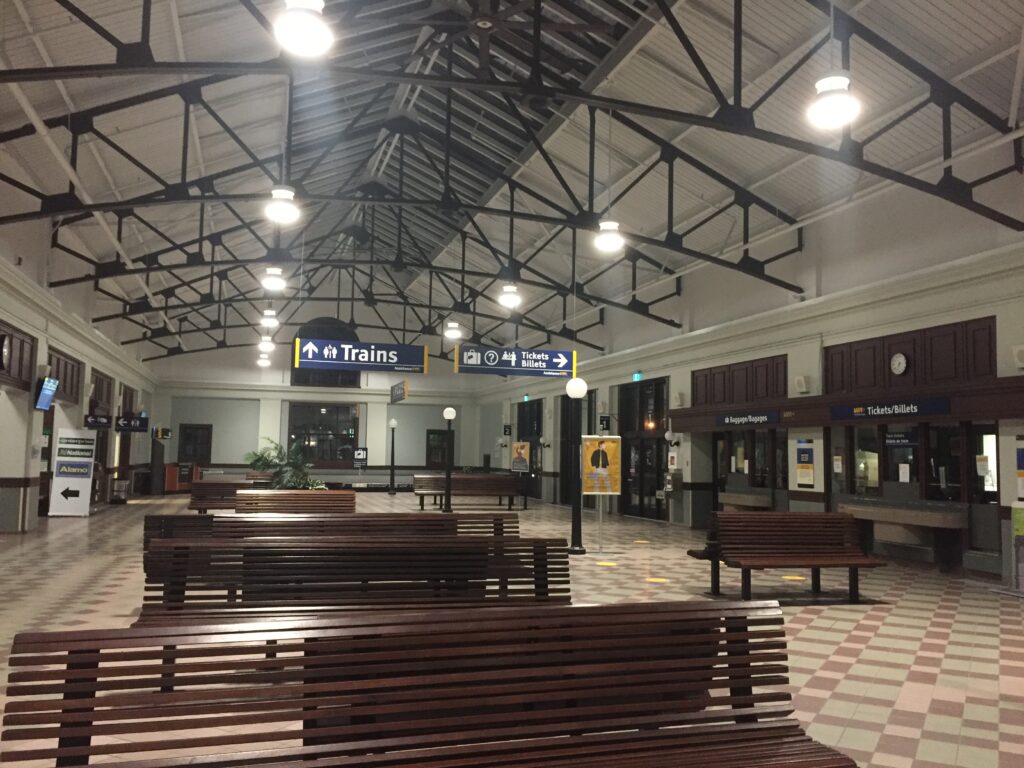
The historic VIA Rail station in Halifax is usually starting to look quite festive by this time of year, and would soon be alive and bustling with holiday travellers; but as the pandemic continues, it is instead filled with an eerie silence, with the ticket office dark and closed. The train status screens remain lit, but haven’t had a train to report on in 9 months.
PASSENGER CARRIERS IMPACTED AS ATLANTIC BUBBLE BURSTS
The Atlantic Bubble was the COVID-19 success story of North America for summer into autumn of 2020, with our region not having more than five active COVID-19 cases per 100,000 residents on any day over the twenty-week period from when the effective date of July 3rd until November 20th. Meanwhile, residents of the four Atlantic Canadian provinces were free to travel between the provinces without being subject to the 14-day self-isolation required for individuals arriving from outside the region.
But by November 23rd, the number of active cases in the region had ticked up to seven per 100,000, with 85 percent of those located in NB and NS. The upward trend in cases resulted in the Atlantic Bubble collapsing – at least temporarily – with NL and PEI announcing they were suspending the arrangement for at least two weeks. On the same date, each of the other six Canadian provinces had between 90 (Ontario) and 580 (Manitoba) active cases per 100,000 residents. Three days later, NB followed suit in leaving the bubble, and PEI later extended its withdrawal for an additional two weeks to December 21st.
As of December 4th, ten days after the bubble burst, Atlantic Canada had 11 active cases per 100,000 residents, with 88 percent being in NB and NS. That number of active cases has remained steady over the past week, and at this writing there is no one hospitalized from COVID-19 anywhere in the region. It appears unlikely the Atlantic Bubble will be restored until case numbers decrease in the region and the disparity in case numbers between the four provinces decreases.
Not surprisingly, there was an immediate and detrimental effect on inter-provincial carriers in the region. By the end of November, Maritime Bus was reporting a 50% drop in passenger loads on its scaled down schedule, in comparison to a month earlier. Although owner Mike Cassidy isn’t optimistic the bubble will be fully restored before the new year, he’s still determined to operate daily service between December 20 and January 6 (except Christmas Day). He reports that ridership had gone down to between 100 and 150 per operating day, whereas last year at this time the service was averaging about 500 passengers daily. The one bright spot was parcels, which were running well ahead of the volumes from a year ago, and helping to offset some of the lost revenue.
“We just can’t leave the communities without the important services we provide,” says Mr. Cassidy, who takes great pride that Maritime Bus has maintained a reduced schedule without interruption throughout the pandemic. “We’re still operating, and we still have a brand throughout the Maritimes that we’re very proud of.”
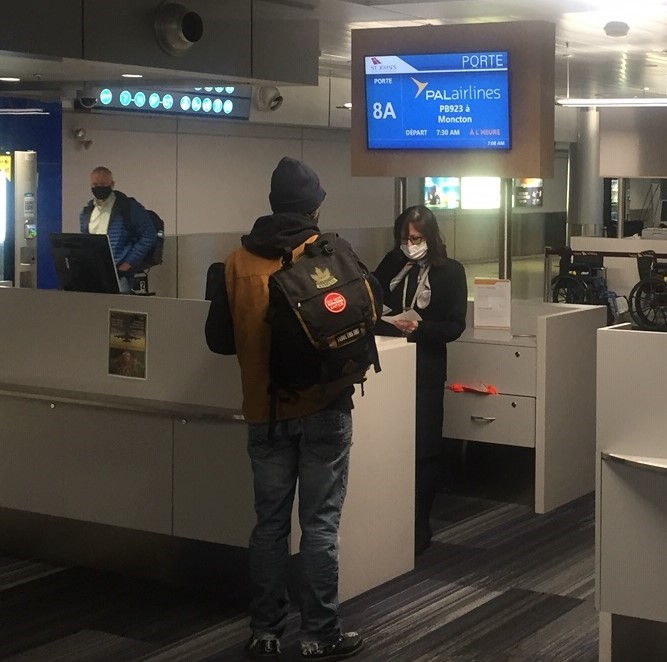
Meanwhile, PAL Airlines is also feeling the pinch on its new route between Moncton and St. John’s. The non-stop direct service had been operating five days a week since its launch in September, but has now been temporarily reduced to tri-weekly. Janine Brown, the airline’s director of business development, says they will evaluate later this month based on the limitations imposed by both provincial governments. When travel in and out of Moncton was restricted earlier in the fall, there was an immediate and significant increase in bookings when the restrictions were lifted. The company is anticipating a similar uptick in demand when the current situation improves.
Eighteen passengers boarded the 50-seat DASH-8 PAL Airlines flight to Moncton at a mostly-deserted terminal in St. John’s on November 16
Meanwhile, the airline was recognized by the St. John’s Board of Trade in a unique virtual “Business Resilience Awards” ceremony on December 2. PAL took home the Opportunity Seeker Award, for launching the new YYT-YQM route.
“We saw that there was a gap in Atlantic Canada and that there was a great demand to connect Newfoundland with New Brunswick,” said Ms. Brown in accepting the award. “That required a lot of hard work and dedication from a lot of people during a very challenging time.”
-James Fraser/Ted Bartlett
RESUMPTION OF VIA’S OCEAN POSTPONED ONCE AGAIN
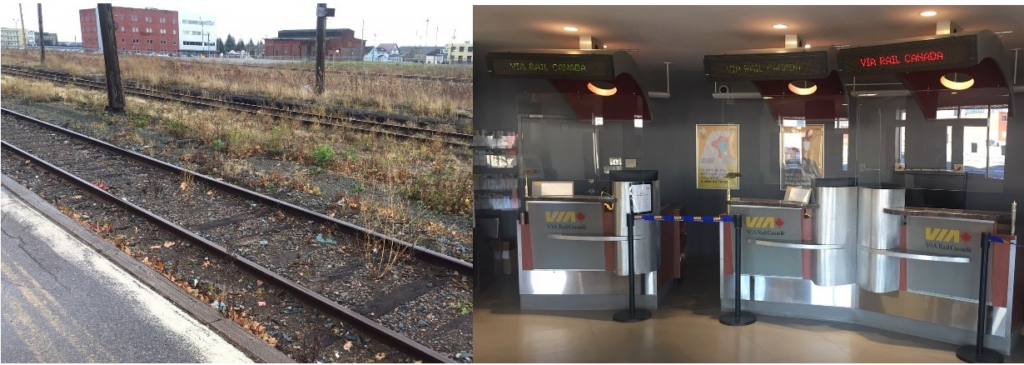
Dried weeds of late fall are evident on the VIA station track at Moncton, while the darkened ticket counter remains idle as the usually-busy holiday travel season looms. The Maritimes haven’t seen a passenger train since March 13.
There’s been yet another delay in the projected return to service of VIA Rail’s Ocean. As reported last month, there will be no passenger trains at all east of Quebec City for the 2020 holiday travel season – no great surprise, given the ongoing resurgence of COVID-19 and the continuation of various travel restrictions. Despite initial plans to resume some form of service between Montreal and Halifax as early as November, VIA has continued to shift the resumption date, first blocking the sale of tickets through November and December, and then cancelling trains through the end of the year. As of the time of writing, VIA has now cancelled all Ocean departures through the end of January 2021, and suspended bookings for February and March. This shifts the earliest possible service resumption to February 2021, but it is looking increasingly likely that the train will not resume until COVID-19 concerns recede and travel restrictions ease – perhaps, we can hope, with the roll out of vaccines in early 2021.
With a second wave of the pandemic affecting the Atlantic provinces and renewed travel restrictions in place, there likely won’t be much travel happening over the holidays either way – and various health authorities are certainly discouraging travel even within the region, for all but essential purposes. So the absence of the train won’t be felt as acutely as it would be in more “normal” times, but its ongoing absence highlights the important role it does play in providing connections within the region and to the rest of Canada. TAA will continue to put pressure on VIA to resume this service as soon as it is safe and reasonable to do so, and to make the investments required to support its long-term future.
VIA REPORTS DISMAL 3RD QUARTER; FEDS PROVIDE EMERGENCY FUNDING
The pandemic has not been kind to transportation providers of any form, and VIA has been no exception. Even with many of its services suspended or scaled back and operating expenses significantly reduced, the drop in ridership has had a devastating impact on the railway’s financial performance over the course of this year. In their recently released Q3 report, VIA reported passenger miles down 83.8%, passenger numbers down 82%, and revenue down 83.9% compared to the same quarter in the previous year.
Fortunately, the federal government has stepped in to provide at least bare-bones support for VIA’s bottom line, earmarking $188 million in the fall fiscal update to “…cover operating shortfalls in 2020-21 resulting from the COVID-19 pandemic”. As welcome as this is, it remains only the minimal investment required to keep the railway afloat through this crisis. As highlighted in their recent corporate plan, the federal government will need to do much more to ensure that VIA’s operations can continue (let alone expand) in the future.
VIA’S CORPORATE PLAN PLEADS FOR NEW EQUIPMENT
VIA recently released the summary of their 2020-2024 Corporate Plan:
As usual, this provides a good look at the priorities of the railway over the coming years, and valuable insight into ongoing performance of the corporation. This latest plan has a few positive highlights – there continues to be optimism about the future of VIA’s High Frequency Rail proposal, a new reservation system seems to be finally on the way, and for this end of the country, there is a further acknowledgement that VIA has settled on an operating model for the Ocean to continue service beyond the loss of the Halifax rail loop, even if the new bidirectional train may be a significant downgrade from what came before. There’s also an acknowledgement of plans to return service to the Gaspé once track upgrades by the province of Quebec are complete – potentially within the period covered by this plan.
Unfortunately, any of the optimistic highlights are overshadowed by a more stark analysis of the state of VIA’s operations outside the Corridor. Ongoing struggles with the host railways (primarily CN) have caused continued challenges with on time performance (OTP), especially in the west. On the Canadian, improvements in financial performance stemming from the introduction of Prestige Class several years ago have been wiped out by the OTP struggles, lengthened schedule, and accompanying reticence among tourist operators to book travel.
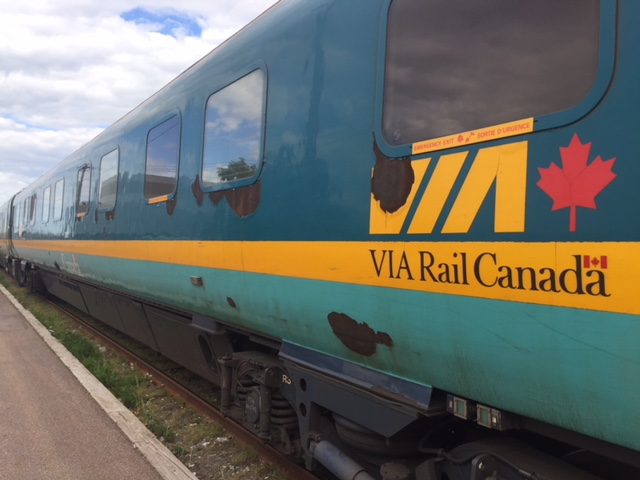
The British-built Renaissance equipment shown here is the VIA rolling stock in most urgent need of replacement, but the latest Corporate Plan finally acknowledges that the 70-year-old Budd stainless steel cars are now also reaching the end of their useful life.
Undoubtedly the most significant concern in this plan is the acknowledgement of the dire state of the equipment serving on VIA’s non-Corridor and long-distance routes. While VIA had previously committed to further refurbishment of the nearly 70 year old HEP equipment, structural issues discovered earlier in 2020 have cast doubt on the longevity of this fleet and options for further refurbishment – even forcing the cancellation of the comprehensive overhaul of a group of HEP1 coaches to modern accessibility standards.
To quote from the corporate plan: “VIA Rail recognizes that despite the inherent quality of construction and intrinsic longevity of the stainless steel used, it is no longer reasonable to expect an extended service life from the Budd manufactured rolling stock equipment (HEP cars) that is approaching or has exceeded 70 years of age. At some point the effectiveness, usefulness and maintenance costs of any product will reach a point where replacement must be considered and unfortunately this also includes the HEP cars.”
With this in mind, the plan states that “VIA Rail will explore the replacement of its Long-Distance and Regional fleet”, requiring $14.6 million per year to maintain current state of good repair until a renewal program is approved.
The one silver lining here is that VIA is finally, publicly, acknowledging that there is a dire need to start the process to replace the non-Corridor fleet – something advocates like TAA and TAC have been emphasizing for years. With VIA now acknowledging this fact, there is potential that a case can be made to the federal government that new, modern, accessible, and reliable trains are important for every part of the country – not just the Corridor.
We can just hope it won’t be too little, too late.
-Tim Hayman
ST. JOHN’S BUDGET CUTS TAKE AIM AT METROBUS SERVICE
The City of St. John’s is facing a major deficit, partly because of the CIVID-19 pandemic, but also due in part to the massive “Snowmageddon” onslaught earlier this year. As a result, more than $18 million will have to be shaved from the 2021 budget being finalized this month. One of the most conspicuous targets is Metrobus – the transit system that serves the provincial capital and the adjacent communities of Mount Pearl and Paradise. Next year’s subsidy will see a planned cut of $800,000, which means a deferral of plans to increase frequency on several core routes that had intended to increase ridership. More seriously, the service reductions normally in effect each summer when student ridership drops substantially and more people bike or walk will begin in January for 2021– meaning users will have to wait longer for their bus during the year’s worst weather.
Councillor Maggie Burton is strongly opposed to the cuts to transit service in St.John’s. PHOTO – Jeremy Eaton, CBC
The plan didn’t sit well with several councillors. Coun. Ian Froude was sufficiently disgusted to resign from the Transportation Commission. His replacement, Coun. Maggie Burton, told TAA the City needs to find other ways to meet the budget shortfall.
“I’m OK with a temporary delay in increasing service levels,” she said, “but cutting service in January is not a smart thing to do. If we reduce service now, ridership will only continue to drop.” She pointed out that half of current Metrobus users are people using the provincially-funded transit pass for lower income residents – the most vulnerable members of society.
“These are difficult choices to make,” said Coun. Dave Lane, Council lead for Finance and Administration who admits to being torn on the issue, in a written statement. “City Council and the St. John’s Transportation Commission remain committed to enhancing our public transit service.
Once we begin to emerge from the pandemic, we will adapt our transit service. We will review the goals and strategies identified during the Public Transit Review process to pursue a long-term recovery plan to improve transit service and attract new riders.”
But Coun. Burton feels that’s cold comfort to transit users left shivering on a bus stop in the midst of a Newfoundland winter.
-Ted Bartlett
TAA RENEWS CALL FOR REDUCED NL FERRY RATES
Transport Action Atlantic is calling on the new premier of Newfoundland and Labrador to initiate discussions with the Government of Canada on Marine Atlantic ferry rates. The issue has been one of growing concern to TAA as the cost recovery level dictated by Transport Canada has far outstripped the national inflation index over the past two decades.
“Without doubt, ferry rates are crucial to the entire population of Newfoundland and Labrador,” says a letter sent to Premier Andrew Furey in mid-October. “In particular, during the pandemic recovery period – with many would-be travellers understandably still apprehensive about flying – affordable Marine Atlantic fares will be critical to rebuilding a healthy and vibrant hospitality industry. We urge you to pursue this vital issue at the earliest opportunity.”
The letter notes that as leader of the opposition, Justin Trudeau obviously concurred with TAA’s view when he wrote to then-premier Paul Davis during the 2015 federal election campaign. He committed that a Liberal government would address this issue, noting that the ferry service “is not only a vital part of Newfoundland and Labrador’s economy, but also serves as an extension of the Trans Canada Highway.”
Five years later, there has been no sign of any action on this pledge. In fact, the province’s six Liberal MPs prefer to pretend the commitment was never made, as annual ferry rate increases have continued unabated. The letter to Premier Furey acknowledges that there are undoubtedly many other areas where federal financial assistance is being sought for the cash-strapped province. But that should not be a factor, TAA maintains.
“More than 70 years after Newfoundland joined Canada, the level transportation playing field envisaged by the latter-day Fathers of Confederation who drafted the Terms of Union has been severely compromised. Term 32 is a constitutional matter, and its intent has been clearly distorted under successive federal governments. The Province should not have to remain silent on this issue as a condition for obtaining help from Ottawa on other pressing financial challenges.”
TAA has not yet received any response from the Premier’s Office on the matter.
-Ted Bartlett
SEASONAL CAMPOBELLO FERRY EXTENDED TO YEAR-END
New Brunswick’s Campobello Island continues to face difficulties in securing access to goods and services taken for granted on the mainland. The island’s 700 residents are connected by an international bridge with the town of Lubec, Maine, but their only link to the rest of the province is via a seasonal ferry to nearby Deer Island. With border restrictions and provincial registrations required up to five days in advance to perform tasks like accessing a bank or gas station, the privately owned and operated barge has continued a four-days-per-week service into the fall with a subsidy to the tune of $60,000 per month from the provincial government. Unfortunately, due to the lack of proper vessel and landing infrastructure, the service has been unreliable.
Since September 21st, East Coast Ferries has had 48 scheduled operation days. Of those 48, only 26 days were fully realized as 11 days were partially lost and another 11 were totally lost due to weather and mechanical issues. A larger, more capable vessel and adequate landing infrastructure would likely have reduced the lost days to zero. The federal government has offered to contribute to the project, but Premier Higgs has evidently backed away from his May 2020 promise to pursue a year-round service plan for submission to Ottawa, and Transportation Minister Jill Green has not returned calls and e-mails requesting a conversation.
-Justin Tinker
HARDLY A PROGRESSIVE PLATFORM!
And a parting shot across the bow of Nova Scotia Liberal Party leadership candidate Labi Kousoulis. The former cabinet minister surely isn’t going to make many friends among environmentalists – or even the progressive wing of his own party – with campaign promises like one he released just the other day.
Mr. Kousoulis says he will embark on an ambitious road-twinning program if he wins the party leadership and becomes premier in February. His plan would eventually see four-lane highways all the way from Yarmouth to the Cape Breton Regional Municipality. How’s that for spending money Nova Scotia clearly doesn’t have on so-called “assets” that the province couldn’t afford to maintain?
Hopefully his opponents in the leadership race hold more progressive views on sustainable transportation!