
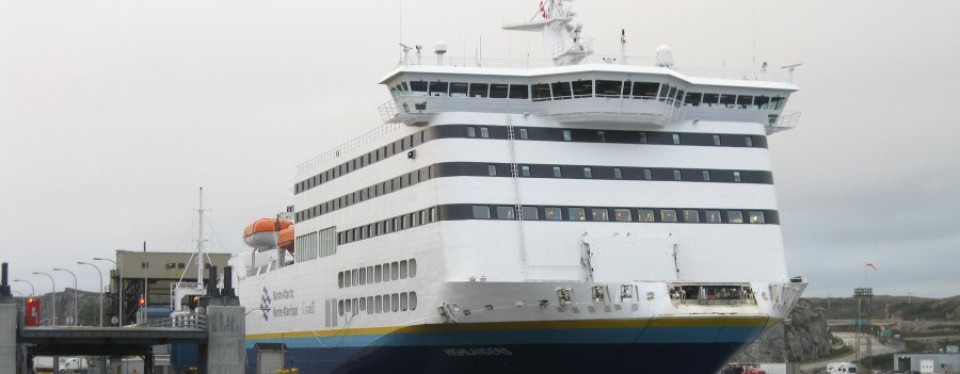
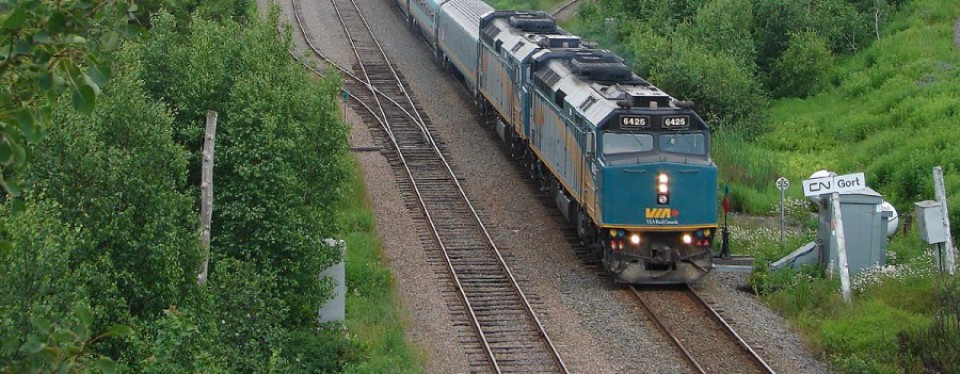

As polling day for the 2025 federal election draws ever closer, Transport Action Atlantic would like to draw attention to a pair of key issues that we’re highlighting for candidates in this election. This election comes during a time of of growing global insecurity, an increasingly fractured and uncertain relationship with our neighbours to the south, and an ever greater focus on Canadian sovereignty and resilience. We believe that a robust domestic transportation system, with options that provide convenient, affordable and sustainable connections between Canadian cities, towns, and provinces, can play a major role in connecting our nation during these tumultuous times.
TAA is an all-volunteer, non-partisan advocacy organization. Our goal is to promote convenient, affordable and sustainable public transportation for all Atlantic Canadians. During the current federal campaign we believe it is important – and reasonable – to ask candidates of all political persuasion where they stand on these issues.
There are many intercity transportation issues that we support and continue to advocate for, but in this campaign we have decided to focus on two key Atlantic Canadian issues where we feel we have a strong voice. These are 1) the critical need for investment to restore and bolster passenger rail in Atlantic Canada, and 2) the need to provide affordable ferry travel between Newfoundland and mainland Canada.
We are pleased to present these two policy briefings, continuing our regional and national theme of Ideas in Motion. We encourage you to read and discuss them. If you agree with us that they deserve priority attention among campaign issues critical to Atlantic Canada and its future, please share them and encourage others to join the cause as well. Don’t miss this opportunity!
These two policy briefings focused on Atlantic Canada are published in their entirety below, and you can open or download either of these briefings as a PDF using the links below, so you can save, print and share them as you wish!
Atlantic Canada Passenger Rail Policy Brief – 2025
Newfoundland Ferry Rates Policy Brief – 2025
A vision for renewed VIA Rail service in the Maritimes
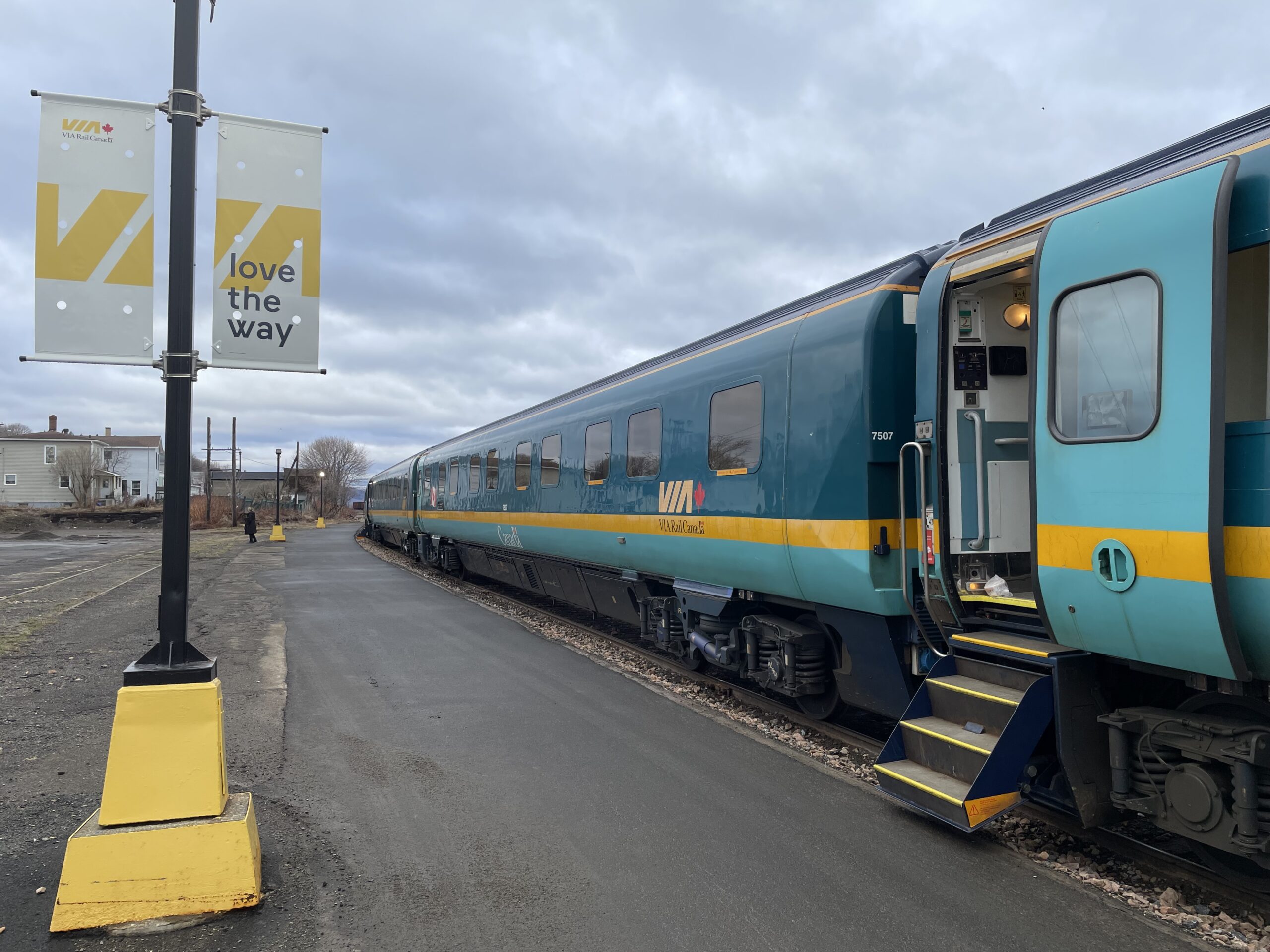
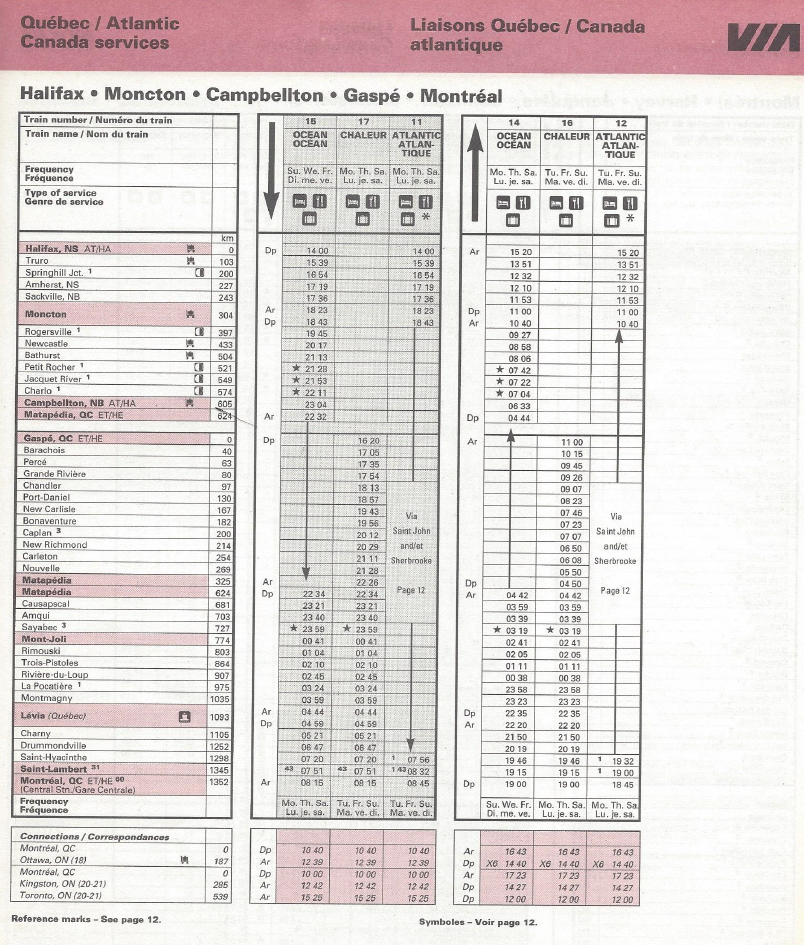
Passenger rail in Atlantic Canada today is a sorry remnant of what it used to be. For the past three decades it has been declining at a more precipitous rate than elsewhere in the VIA Rail system. In fact, portions of the Quebec City-Windsor corridor have, in recent years, seen improvement in frequency and capacity, and investment in new trains.
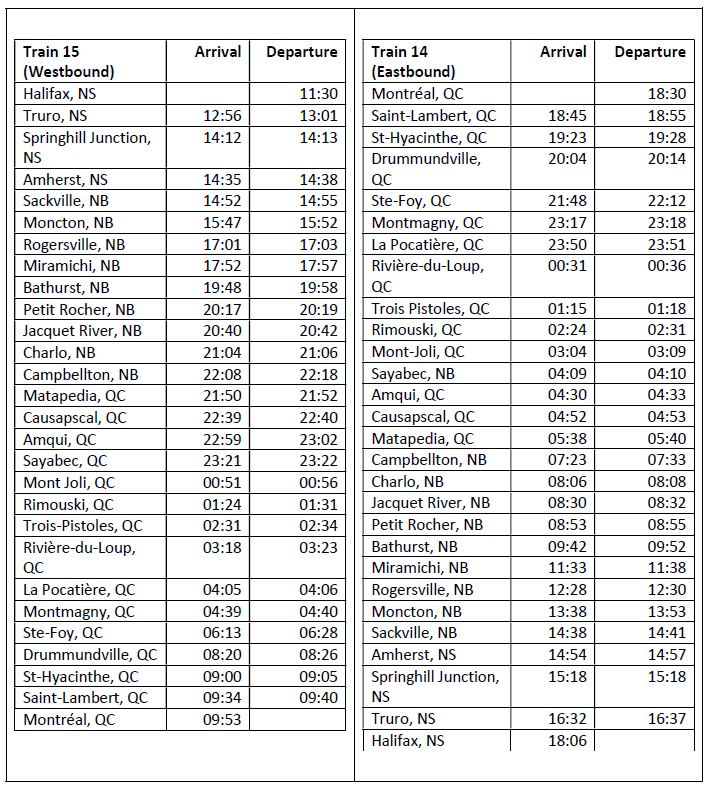
A major setback for VIA’s Maritime service came in October 2012, when the frequency of the region’s sole remaining train was cut to just three times weekly, under the guise of being an “improvement” to better meet the public demand. VIA’s then-CEO was insistent that the Ocean was primarily a tourism product – completely ignoring the realities of local needs and travel patterns. The train has suffered significant ridership losses and increasing operating costs since the cutback. VIA is now paying more to operate fewer trains, and VIA’s own corporate plans acknowledge that passengers in the Maritimes are being poorly served by the current schedule.
The tri-weekly operation eliminated the possibility of same-day returns to the Maritimes from Montreal, and one-day round trips to Moncton for residents of New Brunswick’s North Shore – an important consideration for people who have few other public transportation options. The lack of frequency also rules out rail as a choice for weekend travel, and it limits its usefulness when severe winter conditions make other forms of transportation unreliable or impossible. In the years since, the train’s schedule has been extended due to slow track conditions, train capacity has been constrained by the dwindling availability of serviceable equipment, and key on-board amenities have been lost due to the removal of infrastructure in Halifax that allowed VIA to turn its trains.
Frequency and reliability are key components to making passenger rail service viable. Transport Action Atlantic believes that a daily Ocean with equipment appropriate to meet market demand at different times of the year would be the most effective way to serve communities all along the route, as well to provide a quality seasonal tourism product. Improved track infrastructure to facilitate better travel times would also help make the service more attractive.
The 2024 federal budget allocated funding for VIA to begin the replacement of its long-distance, regional, and remote train fleet. This is an important step, but it needs to be seen through to completion in a timely fashion to ensure that VIA’s services are not impacted before new equipment can arrive. It is also critical that the new fleet provide a sufficient increase in capacity to allow the trains to meet and grow market demand, and allow for the return of at least daily train service in Atlantic Canada. Further, investments are needed in the short-term to maintain the existing fleet. We continue to believe that frequency increases could be possible with the existing fleet, following refurbishment work.
Extensive market research should guide both the acquisition of new passenger cars and refurbishment of the existing fleet. A variety of accommodation and onboard amenities should be available to accommodate various travel budgets, including budget options for those willing to pay for additional comfort and personal space without luxury pricing. Simply put, the product should meet the needs of the marketplace.
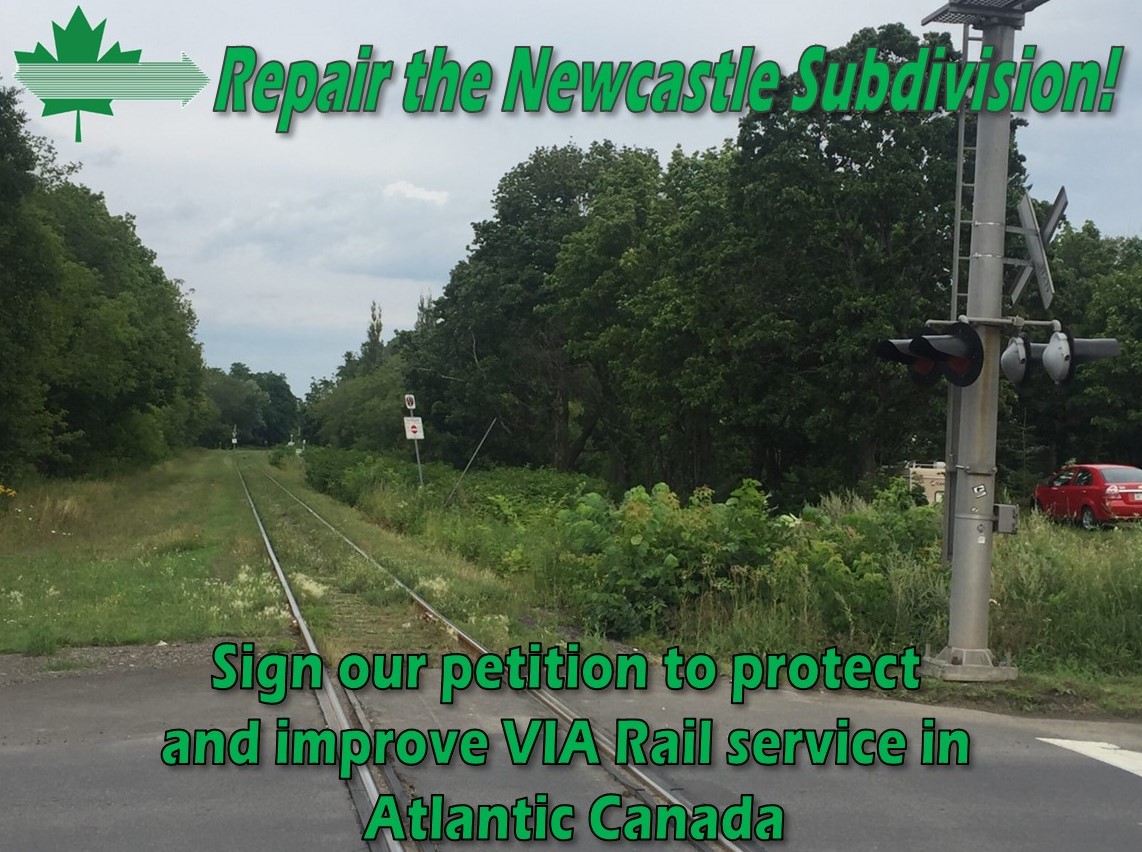
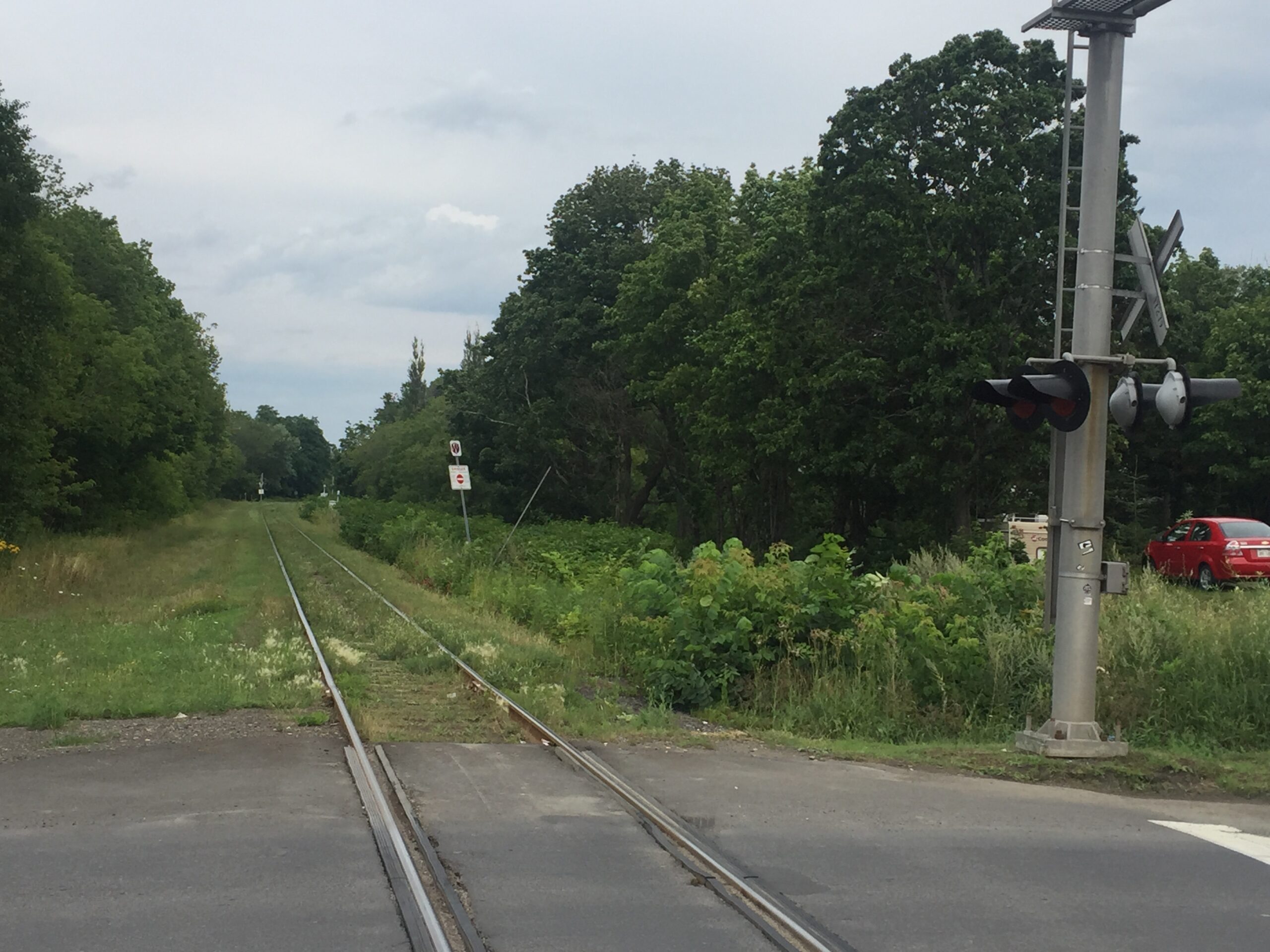
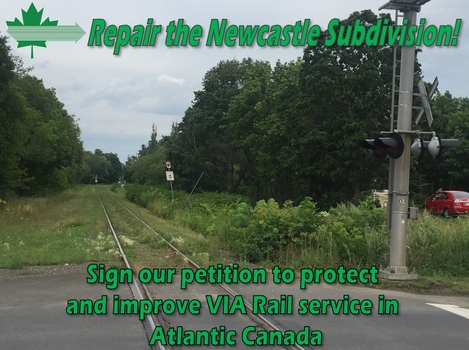
There is also the issue of track infrastructure. The total Montreal-Halifax travel time for the Ocean today is longer than it was in the era of steam locomotives – largely due to the deteriorated condition of CN’s Newcastle Subdivision in northern New Brunswick. Passenger train speed is limited to just 30 miles per hour on a lengthy stretch of track where 70 mph was safely permitted less than 20 years ago. Federal investment a decade ago was meant to improve the track, but the money has been spent and speeds have not been restored. Clearly, more investment is required, but in so doing the infrastructure owner needs to be held to account to ensure the outcome meets the intended objectives.
Canada does not end at Quebec City! Canadians outside of the corridor also deserve investment in modern passenger rail equipment and services. At a time when national unity is of the utmost importance, investing in passenger rail is an ideal pathway to create economic opportunity and better connect Canadians from coast to coast to coast.
Affordable Newfoundland ferry rates – a constitutional commitment
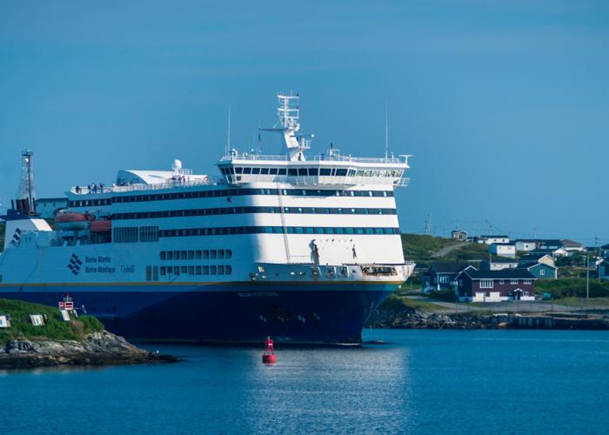
Three quarters of a century has passed since Newfoundland and Labrador became Canada’s tenth province, completing Confederation from sea to sea. Transportation was a key concern for the people who designed the Terms of Union – and cost was an essential factor. Accordingly, Term 32 obligated Canada to provide a federally-supported ferry service between North Sydney and Port aux Basques, and provided protection against the higher cost of living resulting from geography. Specifically, framed in conformity with the dominant transportation mode of the day, the 100-nautical-mile crossing of the Cabot Strait was to be rated as an all-rail movement. The additional handling and operational costs of the ferry service were to be absorbed by the Government of Canada through Crown-owned Canadian National Railways.
Much has changed in the intervening years. The narrow-gauge Newfoundland rail line was abandoned in 1988; the railway passenger service on the island had been discontinued two decades previously. Traffic on the “constitutional” ferry route is now all highway-based. But the basic principle of Term 32 remains. While road has replaced rail, the ferry service operated by the federal Crown corporation Marine Atlantic Inc. (MAI) must be viewed in the contemporary sense as an extension of the Trans Canada Highway. If the spirit in which the Terms of Union were drafted is to be respected, vehicles crossing the Cabot Strait should be charged no more than the cost of driving them 180 kilometres by highway. Arguably, there should be no charges for commercial drivers or the occupants of passenger vehicles. It is significant that these additional costs do not apply to users of the Confederation Bridge to Prince Edward Island, which is also a constitutional obligation of the Government of Canada.
Over time, the best intentions of the latter-day Fathers of Confederation have been eroded. In the past two decades Marine Atlantic’s rates have more than doubled – an increase greater than three times the national inflation rate. Security fees and fuel surcharges have also been added. Notably, there are no such additional costs to users of the Confederation Bridge, where tolls are tied to the cost of living index.
Under a previous Conservative government, Transport Canada imposed a cost recovery target of 65% on MAI. Despite a campaign commitment from their leader in 2015 to address this “unreasonable” requirement, it took the subsequent Liberal administration nearly nine years (and three transport ministers) to get round to removing it. Ferry rates actually continued to rise in excess of the inflation rate until 2020.
Transport Action Atlantic believes the spirit of the Terms of Union that made Newfoundland and Labrador a part of Canada should be respected, and that Term 32 must be viewed in a modernized context. The ferry crossing of the Cabot Strait is part of the Trans Canada Highway, and should cost users no more than driving the equivalent distance by road. This is an obligation assumed by the Government of Canada in 1949, and remains as valid today as it did then – notwithstanding the passage of time and changes in transportation technology.
The major parties are currently campaigning on promises to eliminate the tolls on the Confederation Bridge and to re-examine ferry rates on crossings to Prince Edward Island. In the same spirit, residents of Newfoundland and Labrador should be afforded the same consideration in making travel to and from their province more affordable.
Today’s ferry rates are much higher than they should be – and in a time of economic uncertainty and increasing global costs, immediate action is required.